Apple HomePad Review 2026: The Smart Home Hub We've Been Waiting For?
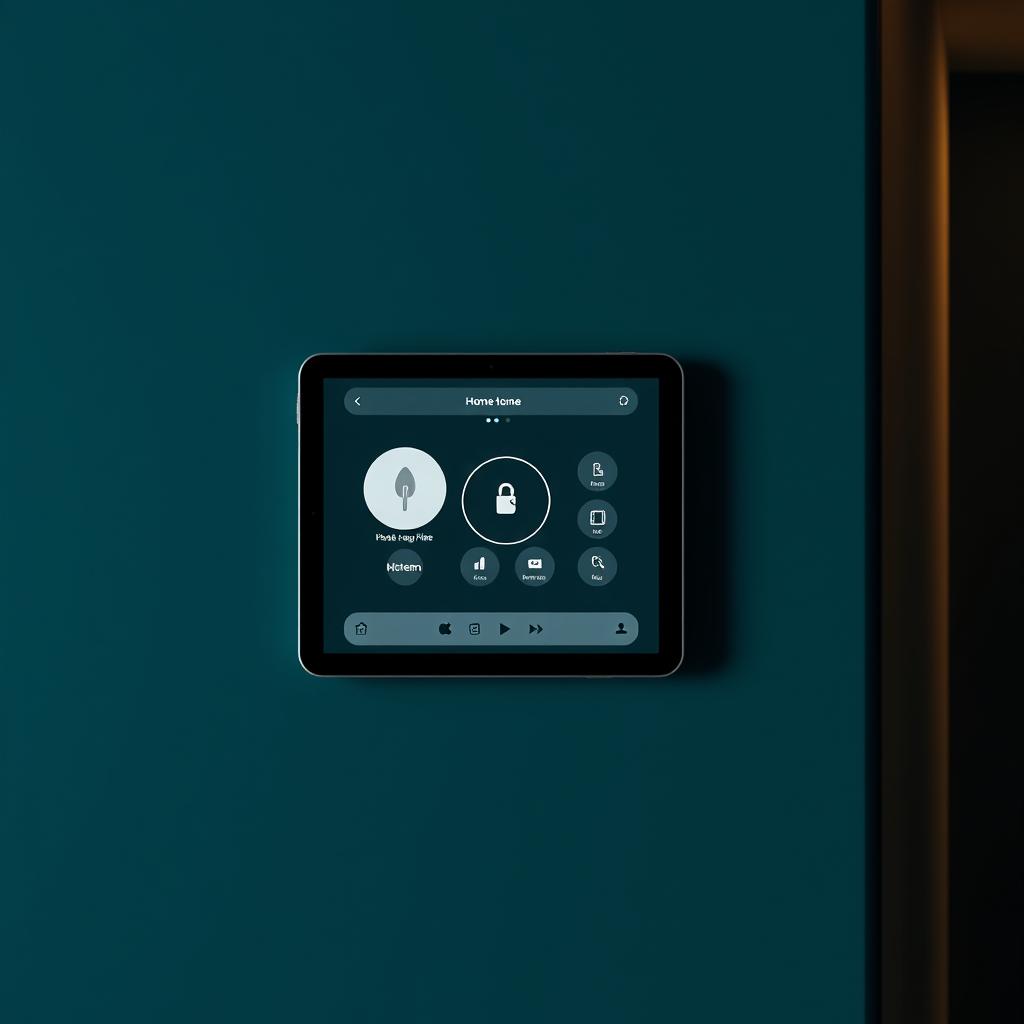
Apple HomePad — Smart Home Hub Preview 2026
Apple’s first dedicated smart home display — codenamed J490, widely referred to as the HomePad — has been one of the most anticipated smart home products in years. After multiple delays driven by the company’s Siri AI overhaul, the hardware is reportedly sitting in warehouses, ready to ship alongside iOS 27 this fall.
Here’s what we actually know.
TL;DR — Key Takeaways
- 7-inch square LCD display (1080p) with tabletop and wall-mounted form factors — the wall mount uses a MagSafe-like magnetic snap
- A18 chip with 8GB+ RAM running homeOS (a tvOS variant) — no App Store at launch, focused on HomeKit/Matter control, FaceTime, Music, and Apple apps
- Expected price ~$350 — significantly more expensive than Amazon Echo Show 8 ($140) or Google Nest Hub ($100)
- Face ID for multi-user profile switching — deeper biometric integration than any competing smart display
- Launch delayed to Fall 2026 — the hardware has been ready since late 2025 but Apple is waiting for its Google Gemini-powered Siri overhaul to land with iOS 27
- Part of a broader Apple smart home push — a new HomePod mini, Apple TV 4K, Apple security camera (J229), and video doorbell are all reportedly on hold for the same Siri update
Specifications
| Component | Apple HomePad (J490) |
|---|---|
| Display | 7-inch square LCD, 1080p |
| Processor | Apple A18, 8GB+ RAM |
| OS | homeOS (tvOS 27 variant) |
| Camera | 1080p ultra-wide with Center Stage |
| Biometrics | Face ID |
| Connectivity | Wi-Fi, Bluetooth, Thread radio, USB-C power |
| Form Factors | Tabletop (dome base) + Wall-mounted (magnetic) |
| Colors | Silver, Black |
| Price | ~$350 |
| Launch | Fall 2026 (expected alongside iPhone 18 Pro / iOS 27) |
Sources: Bloomberg / Mark Gurman, MacRumors, The Verge
Hardware & Design
The HomePad takes a different approach than Amazon and Google smart displays. Instead of a screen on a speaker, Apple built what’s essentially a dedicated home control panel.
Two form factors. The tabletop version sits on a hemispherical dome base reminiscent of the iMac G4. The wall-mounted variant uses a MagSafe-like magnetic snap — you literally stick it to a magnetic plate on your wall. According to Bloomberg’s Mark Gurman, this is the version that’s been in development the longest.
Display quality. It’s a 7-inch square LCD at 1080p. That’s a lower pixel density than an iPad mini, but for a device you glance at from across the room, it’s adequate. The square aspect ratio is interesting — it lets the UI rotate naturally whether the device is mounted horizontally or vertically.
A18 chip. This isn’t a repurposed iPad chip situation. The A18 with 8GB RAM, confirmed in iOS 26 developer code, handles on-device Apple Intelligence processing. Heavier AI requests go to Apple’s Private Cloud Compute servers. This means Siri queries, face recognition, and smart home automations process locally — a privacy advantage over cloud-dependent competitors.
Face ID. Confirmed in the same code base. The HomePad uses its front-facing camera for multi-user profile switching: walk up, and it knows who you are. This goes deeper than Amazon’s visual ID or Google’s Face Match — Apple’s TrueDepth camera is more secure and works in lower light.
Software & homeOS
homeOS is the real story here. Apple trademarked it through a shell company and the interface reportedly blends watchOS complications with iPhone StandBy mode.
What you get at launch:
- Apple Home app for device control
- FaceTime (1080p with Center Stage)
- Apple Music, Apple News, Notes, Calendar, Photos
- Safari
- Proximity-aware UI that adjusts content as you approach
What you don’t get: an App Store. Apple is deliberately keeping this a focused experience rather than letting it become a general-purpose tablet. That puts it behind Amazon Echo Show, which has Fire TV app access, and Google Nest Hub, which runs Google Assistant apps.
The consequence: if HomePad can’t run third-party smart home apps — your security camera’s dedicated app, your smart lock’s management interface — you’ll still need your phone for those tasks. This is a meaningful gap.
Price & Competition
At $350, the HomePad sits at a premium over every comparable smart display:
| Product | Price | Display | App Store? |
|---|---|---|---|
| Apple HomePad (expected) | ~$350 | 7“ LCD | ❌ |
| Amazon Echo Show 15 | ~$250 | 15.6“ FHD | ✅ Fire TV |
| Amazon Echo Show 8 | $140-180 | 8.7“ | ✅ Fire TV |
| Google Nest Hub Max | $229 | 10“ | ❌ (Assistant) |
| Google Nest Hub 2nd Gen | $100 | 7“ | ❌ (Assistant) |
| Amazon Echo Show 5 | $90 | 5.5“ | ❌ |
Pricing data from Amazon and Google Store.
That $350 price point makes the HomePad the most expensive 7-inch smart display on the market by a wide margin. The justification has to come from the Apple ecosystem experience, Face ID, on-device AI processing, and seamless HomeKit/Matter integration.
The Siri Problem (and Why Everything’s Delayed)
Here’s the elephant in the room: the HomePad hardware has been ready to ship since late 2025. According to Bloomberg’s Mark Gurman, units are literally sitting in warehouses. The only thing holding the launch back is Siri.
Apple is overhauling Siri with Google Gemini integration — a custom model that gives Siri contextual memory, on-screen understanding, and multi-step task completion. The current Siri can’t do any of this reliably. As The Verge reported, “there was a big delay because of the Siri functionality.”
Craig Federighi has countered that the internal results are now where Apple needs them to be. The overhaul is expected to land with iOS 27 in September 2026, which means the HomePad likely ships alongside the iPhone 18 Pro.
The risk: Apple is staking its entire smart home display strategy on Siri finally being good. If the Gemini-powered Siri ships half-baked, the HomePad launches without a compelling reason to exist at $350.
Pros & Cons
Pros
- Face ID for seamless multi-user switching — best in class for smart displays
- On-device AI via A18 chip keeps smart home processing local and private
- Thread radio built in — acts as a Thread border router for Matter devices
- Magnetic wall mount is clever for hallways and kitchens
- Focused interface means no clutter, no bloatware
- Part of a broader ecosystem — the accompanying J229 security camera and doorbell will integrate natively
- Battery-powered (rumored) — the only smart display that could run without being tethered to a wall outlet (Headphonesty)
Cons
- $350 is expensive — more than double the Echo Show 8 and triple the Nest Hub
- No App Store limits functionality compared to Amazon’s Fire TV-enabled displays
- Still vaporware until actual launch — it’s been delayed three times across 18 months
- Siri still unproven — the entire product thesis depends on an AI overhaul that hasn’t shipped yet
- 7-inch display is small — Echo Show 15 offers more than double the screen real estate for $100 less
- HomeKit-only ecosystem — no native support for SmartThings, Alexa, or Google Home ecosystems
What It Means for Your Smart Home
If you’re already in the Apple ecosystem — HomeKit devices, iPhone, Mac, Apple TV — the HomePad could be the control surface you’ve been missing. A dedicated Home app on a mounted display beats pulling out your phone every time someone rings the doorbell.
But if you’re running Home Assistant with mixed-vendor devices, or you prefer Alexa or Google Assistant, the HomePad doesn’t help. It’s a walled-garden device for a walled-garden ecosystem.
The Thread radio is worth noting: the HomePad could serve as a Thread border router, which means it strengthens your Matter mesh just by being on the network. That’s genuine value if you’re building a Matter-based setup.
Verdict
The Apple HomePad is either going to be the best smart home display on the market or a $350 curiosity, and the deciding factor is entirely software — specifically whether the Gemini-powered Siri overhaul delivers.
The hardware is solid: Face ID, A18 chip, clean design, wall-mountable, Thread radio. The price is uncomfortable but not unreasonable if the experience is genuinely polished.
For anyone building an Apple-centric smart home, this is worth waiting for. For everyone else, the Echo Show 8 at $140 does 80% of the same job today, right now, with an App Store (Amazon Echo Show 8).
Rating: Hold until Siri ships. The hardware earns a cautious recommendation. The software determines whether it’s worth the premium.
Disclosure: This review is based on published reports from Bloomberg, MacRumors, The Verge, and developer code discoveries. The HomePad has not been officially announced by Apple and specifications may change before release.
📖 Related Reads
- ToolBrain — tool reviews, LLM comparisons, and AI workflow guides
Cross-links automatically generated from SmartHome Field Guide.
← Back to guides